Last updated November 2026
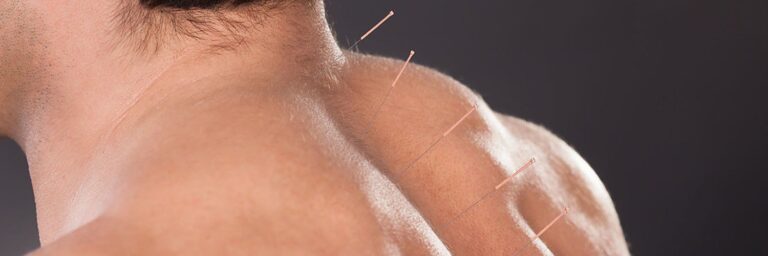
Most people picture acupuncture as fine needles placed at points on the body and left to rest. Electroacupuncture adds one more element: a small electrical current passed between pairs of those needles. It has been part of acupuncture practice for decades, and it sits at the centre of Neuropuncture, a newer system that some Wellington acupuncturists now use.
★View the Best Acupuncture in Wellington→This guide explains what electroacupuncture is, how Neuropuncture differs from classical acupuncture, what a session feels like and who should check with their practitioner before trying it.
What Is Electroacupuncture?
In electroacupuncture, the acupuncturist inserts needles in the usual way and then clips small leads from a battery-powered device onto pairs of needles. The device sends a gentle, pulsing current between them. The practitioner controls the frequency (how fast the pulses come) and the intensity (how strong they feel), and adjusts both to suit you.
The main difference from manual acupuncture is how the needles are stimulated. In classical acupuncture the practitioner may twist or lift a needle by hand from time to time. With electroacupuncture the stimulation is continuous and can be set to a consistent, measurable level for the whole session.
What Is Neuropuncture?
Neuropuncture is a modern acupuncture system developed in the United States by Dr Michael Corradino. It draws on research into the neurophysiology of acupuncture: how needling and electrical stimulation at particular points act on nerves, receptors and the chemical messengers they release. Points are chosen with nerve pathways in mind, and electrical stimulation is a central part of many treatments.
Neuropuncture does not replace classical acupuncture. Many practitioners who train in it, including acupuncturists in Wellington, combine it with Traditional Chinese Medicine and offer either approach depending on the person in front of them. Practitioners who complete the training can become certified Neuropuncturists, and certified practitioners are listed in a directory on the Neuropuncture website.
Auricular vagus nerve stimulation
One technique you may hear about is auricular vagus nerve stimulation, often shortened to aVNS. The vagus nerve runs from the brainstem to the heart, lungs and digestive tract, and it is a major part of the parasympathetic nervous system, the “rest and digest” side of the body’s stress response. One small branch reaches the skin of the outer ear, which is why some acupuncturists place needles, sometimes with gentle electrical stimulation, at points in the ear. Research into aVNS is an active area, and your practitioner can explain what it involves and what it is being used for in your case.
What a Session Feels Like
An appointment usually starts the same way as any acupuncture visit: a conversation about your health, your history and what you want help with, then an explanation of where the needles will go and why. You can say no to any point or ask to stop at any time.
- Needling
- Fine, sterile, single-use needles are placed, often a few in the ear as well as on the body
- Connecting the device
- Small clips attach selected pairs of needles to the stimulator
- Stimulation
- The current is turned up slowly until you feel a light tapping, tingling or pulsing
- Resting
- You lie still while the device runs, usually for a set part of the treatment time
- Finishing
- The device is switched off and the needles removed
The sensation should be noticeable but comfortable. If it feels too strong, say so and the practitioner will turn it down. Some people find electroacupuncture more relaxing than they expected, while others prefer manual acupuncture, and a good practitioner will let you choose.
Who Should Check First
Electroacupuncture is not suitable for everyone. Tell your acupuncturist before treatment if any of these apply to you:
- You have a pacemaker, an implanted defibrillator or any other implanted electrical device. Electroacupuncture is generally not used in these cases because the current could interfere with the device.
- You are pregnant or might be. Some points and techniques are avoided in pregnancy, so your practitioner needs to know.
- You have epilepsy or have had seizures.
- You have heart disease, low blood pressure, diabetes or a bleeding disorder, or you take blood thinners.
- You have a medical implant of any kind, or broken or infected skin where needles might go.
If you are unsure, check with your GP as well. A registered acupuncturist will ask about these things before treatment, but it helps to have the list in mind.
What the Research Says
Electroacupuncture has been studied more than many other forms of acupuncture, especially for pain, and researchers are interested in it partly because the stimulation can be measured and repeated. The quality of studies varies, though, and results for one condition do not automatically apply to another. If you are considering it, ask your acupuncturist what they would use it for in your situation and how you will both judge whether it is helping.
Choosing a Practitioner in Wellington
- Check the practitioner is registered with the Chinese Medicine Council of New Zealand, as every acupuncturist practising here must be
- Ask what training they have in electroacupuncture, and whether they are a certified Neuropuncturist if that is what you are looking for
- If your problem follows an injury, ask whether they are an ACC-registered treatment provider
- Ask whether you can choose between manual and electric acupuncture
Where City Acupuncture Fits
City Acupuncture is run by Janine Nana, a registered acupuncturist who holds a postgraduate diploma in Neuropuncture and became a fully certified Neuropuncturist in January 2020. She combines classical acupuncture with Neuropuncture, offers a choice of classic or electric acupuncture, and uses auricular vagus nerve stimulation as part of her work. Her introduction to how acupuncture and Neuropuncture work explains her approach in more detail.
Janine sees clients on Level 10 of Petherick Tower, near Midland Park, on Mondays and Thursdays. Appointments can be made through online bookings, or call 027 733 4349.